It Started with a Filling Station Queue
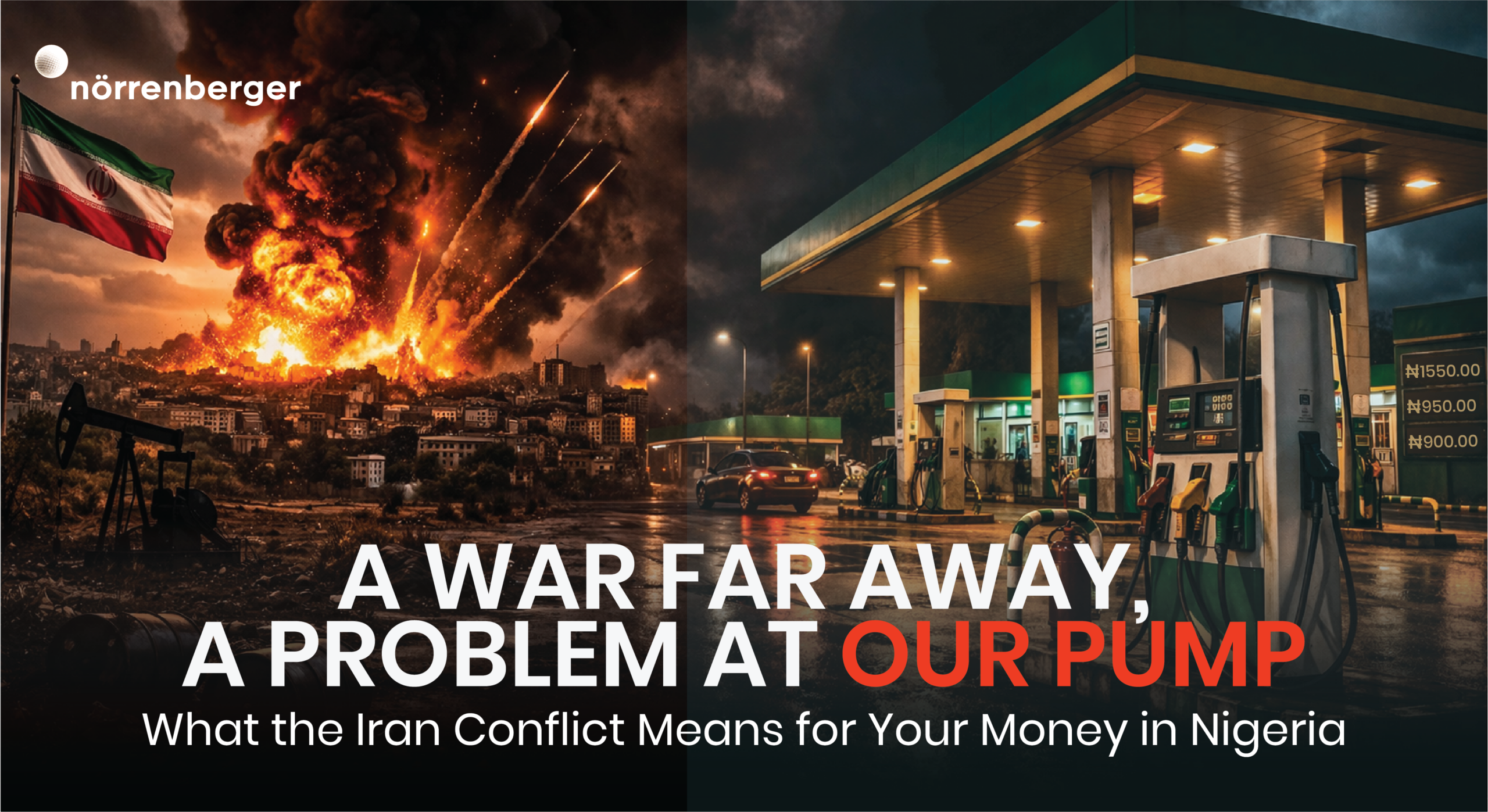
Picture this. You stop at a filling station the way you have done a hundred times before. You check the price board, and your jaw drops a little. Not because you did not expect it to go up, but because it has gone up again. Petrol is now sitting at around N1,350 per litre and it does not feel like it is going back down any time soon.
So, what exactly is going on? And more importantly, what does it mean for your money?
A Conflict Thousands of Kilometres Away
On February 28, 2026, the United States and Israel launched military strikes on Iran. Almost immediately, global oil prices reacted. At the heart of it is a stretch of water called the Strait of Hormuz a narrow channel through which a significant portion of the world’s oil passes every day. Once that corridor was disrupted, global oil prices shot up sharply, with Brent crude climbing close to $120 per barrel.
The International Energy Agency described the situation as a major global energy and food security concern. That is not a small statement. When oil supply is threatened at that scale, every country that depends on it feels the pain, and Nigeria is no exception.
But Wait, Is Nigeria Not an Oil Producer?
This is the part that stings the most. Nigeria is Africa’s largest oil producer and yet Nigerians are paying some of the highest fuel prices in the world right now. As of March 2026, Nigeria recorded a 39.5 percent surge in petrol prices since the conflict began.
The reason is simple and painful. Nigeria still imports most of its refined petroleum products. Even the Dangote Refinery, which was supposed to be a turning point, sources over 60 percent of its crude feedstock from abroad. So, when global prices go up, the cost of producing and importing fuel goes up too, and that cost lands on you at the pump.
The Dangote Refinery alone raised its ex-depot price four times in March, moving from around N774 per litre all the way to N1,245. Pump prices across the country followed.
And It Could Get Worse
The Petroleum Retailers Owners Association of Nigeria has already warned that petrol could climb to N2,000 per litre if the conflict drags on. Diesel may approach N3,000 per litre. Nigeria, which had only just started to see inflation cooling from 31.5 percent, is now staring down the barrel of another round of price increases across food, transport and everyday goods.
Higher fuel prices mean higher transport costs. Higher transport costs mean more expensive food on your table. More expensive fuel for generators means higher bills for the small businesses that serve you. Everything connects.
So, What Can You Actually Do?
The honest answer is that you cannot control what happens in the Middle East. What you can control is how prepared your finances are for moments like this one.
- Build an emergency fund
The first thing worth doing is building or topping up an emergency fund. Having three to six months of living expenses set aside in a high-yield savings account means a sudden fuel hike does not send you into panic mode.
- Rethink how you save and invest
The second is to think about how your money is sitting right now. Cash in a regular account loses value every day that inflation climbs. Putting your money to work through savings plans, investment funds, or dollar-denominated products helps protect what you have built.
- Review your budget
The third is to look at your monthly budget with fresh eyes. What felt comfortable six months ago may need adjusting today. Small changes now prevent bigger problems later.
This Is Exactly Why Financial Planning Matters
At Norrenberger we understand that Nigerians are navigating an economy that can shift overnight. Global events, local policies, currency pressures, fuel hikes these are not things you can predict. What you can do is build a financial foundation strong enough to absorb the shocks when they come.
Whether it is a savings plan that keeps your money growing, an investment product that hedges against inflation, or simply a team that helps you understand your options clearly, we are here to help you make sense of it all.
The war may not end tomorrow. The prices may not come down this week. However, the decision to take your finances seriously can start today.