
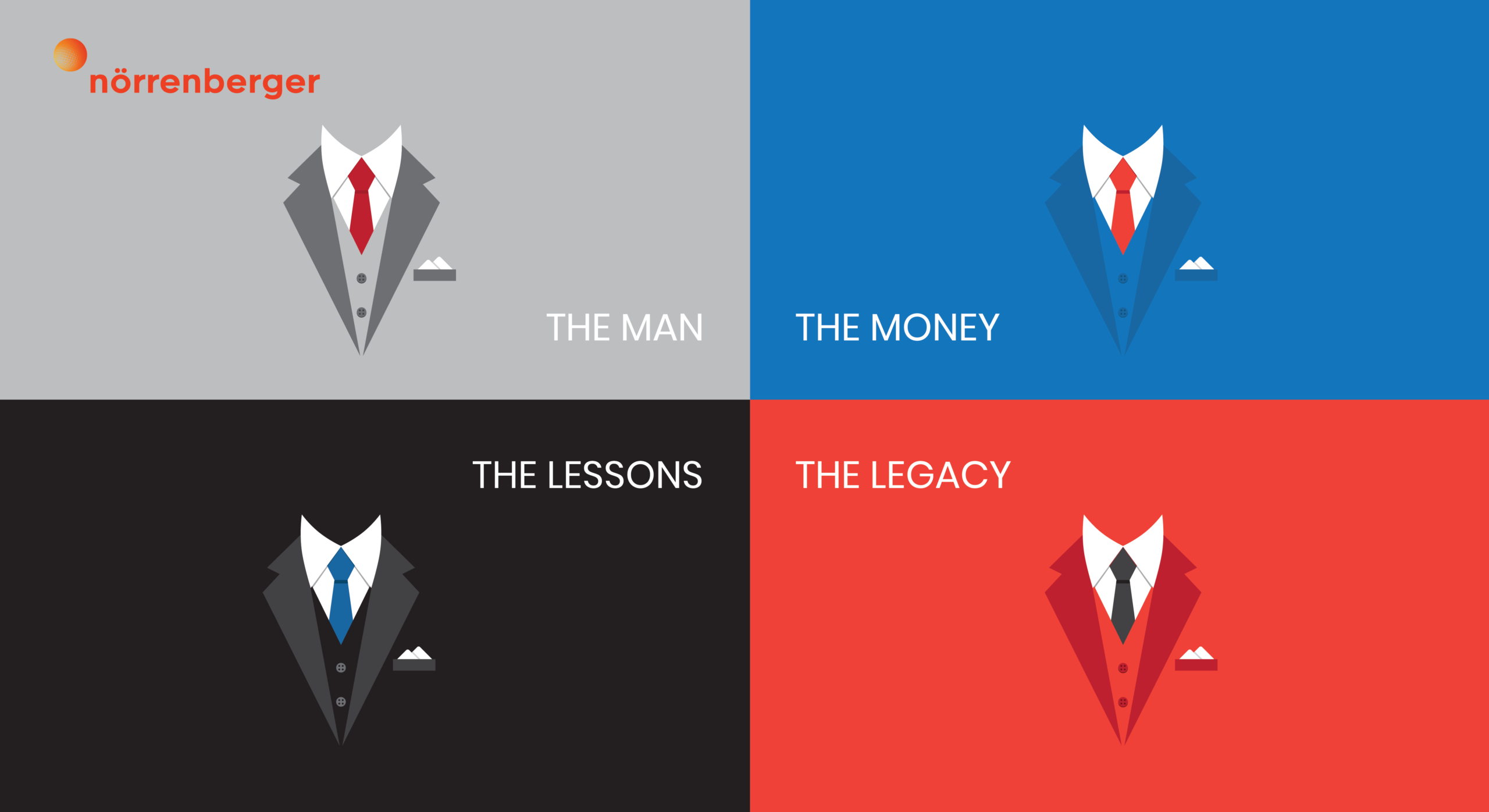
He is the one people call when something needs to be paid for. He works hard, supports his family and tries to stay ahead of whatever life throws at him.
Someone taught him what it means to be responsible. Perhaps it was his father, an elder brother, a mentor or life itself. He learnt to work hard, earn money and provide for others. Some lessons served him well; others came through mistakes.
For many Nigerian men, these experiences shape how they earn, spend, save and plan. Are these lessons shared with the next generation, or must everyone learn them the hard way?
The lessons nobody taught us about money
Many men grow up understanding that they are expected to provide, succeed and become financially independent. Fewer have meaningful conversations about how to achieve these things.
How do you manage your first salary? When should you start saving? How do you support family without neglecting your own needs? What should you consider before taking a loan or investing?
Some learn by watching their parents. Others learn through trial and error. A man who has struggled with debt may understand budgeting. Someone who started saving late may appreciate retirement planning. A business owner who has faced a difficult season may understand why emergency funds matter.
These experiences are worth sharing so the next generation does not have to repeat the same mistakes.
Providing today while preparing for tomorrow
Men often have to balance immediate responsibilities with long-term financial security.
There are parents to support, younger siblings to assist, rent to pay and, for those with families, school fees and household expenses. These commitments can leave little room for personal goals.
A good income does not guarantee financial security. A man may meet his family’s needs but have very little set aside for emergencies, retirement or unexpected changes.
Building a secure future requires deliberate decisions: saving consistently, making informed investment choices, having appropriate insurance cover and planning for retirement.
Eligible self-employed people and employees of organisations with fewer than three employees can also make voluntary retirement contributions through the National Pension Commission’s Personal Pension Plan.
Financial responsibility includes preparing for tomorrow, not only providing today.
The handover that matters
Every generation has something to pass on. Beyond money and possessions, there are experiences, values and lessons that can shape the next generation.
A father who teaches his son to save before spending passes on a financial habit. A manager who encourages a young colleague to invest early shares a lesson that could influence years of decisions. An older brother who speaks honestly about a financial mistake may help someone avoid the same experience.
Financial knowledge should not be limited to people who can afford professional advice or have access to the right networks.
Men at every career stage have something valuable to contribute. The person just starting work has questions worth asking. The experienced professional has lessons worth sharing. The man approaching retirement has a perspective younger people can learn from.
The future is built by what we pass on
International Men’s Day, celebrated on today, 19 November, carries the 2026 theme, “The Future Is Everyone”. It highlights the contributions and wellbeing of men and boys, and the importance of creating opportunities for everyone to thrive.
Norrenberger’s The Handover campaign brings this idea closer to home, creating a space for men across career stages to share their stories, mistakes, lessons and advice.
Growth extends beyond personal achievement; what we learn becomes more valuable when shared.
A man’s legacy is measured not only by what he earns or provides, but by the knowledge he shares, the people he guides and the opportunities he creates for others.
The future is not built by one generation alone. It is shaped by every lesson shared, every experience passed on and every opportunity created for the person coming next.