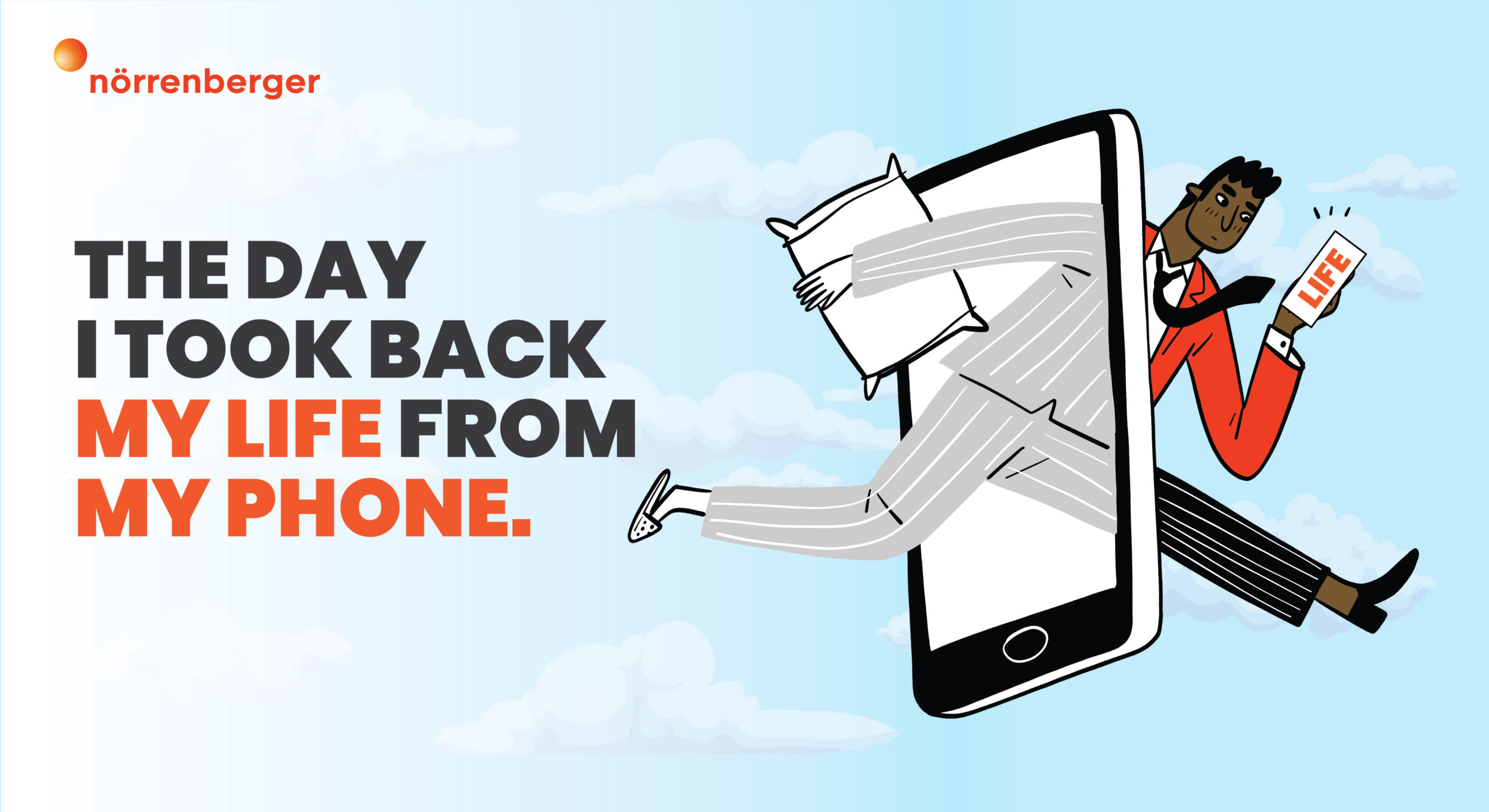
It was 2am on a Tuesday and I was still scrolling.
I had work in five hours. My eyes were burning, my thumb was cramping, and I had already seen the same post three times, yet somehow, I could not stop. Just one more scroll. Just one more video. Just one more reel. You know how it goes.
The next morning, I woke up exhausted, irritable, and late for a meeting. My boss was not impressed, my productivity was non-existent, and I felt like a zombie in a suit. That was my breaking point. I realised I had a problem, and it was not just about being tired.
My phone was no longer just a tool. It was running my life, controlling my time, stealing my focus, and draining my energy.
It was January, and if there was ever a time to start fresh, this was it. I knew that if I wanted the year to be different, I had to take my life back from my phone.
A digital detox sounded good in theory, but every tip I found online felt unrealistic. Some were too extreme, like deleting all my apps. Others were too vague, like simply “using my phone less.” I needed something practical, something that could work for someone living a normal life in Lagos, juggling work, family, and daily responsibilities.
After weeks of trial and error, I figured out what truly helped. Here is what worked for me, and what might work for you too.
Turn off notifications and watch your life change
This was the first thing I did, and it made the biggest difference.
I used to receive notifications for everything: WhatsApp messages, Instagram likes, emails, news updates, even app reminders. My phone was constantly buzzing, pulling my attention away from whatever I was doing.
The real problem with notifications is not just that they are annoying. They train your brain to always stay on high alert. Every buzz interrupts your focus, breaks your concentration, and keeps you mentally scattered.
I turned off notifications for everything except calls and messages from important people such as family, close friends, and work contacts. No random alerts. No unnecessary distractions.
The first day felt strange. I kept checking my phone out of habit, expecting something to be waiting for me. By day three, I felt noticeably calmer. By week two, I could not believe how noisy my mind had been before. I could focus for longer, work better, and enjoy moments without constantly reaching for my phone.
Set boundaries with your phone and protect them
I used to sleep with my phone beside my pillow. It was the first thing I checked in the morning and the last thing I saw before bed. That meant my mood and energy were being shaped by my screen before anything else.
So, I set simple but firm boundaries: no phone in the bedroom, no scrolling immediately after waking up, and no screens after 10pm. I even bought a physical alarm clock so my phone would no longer have a reason to be near my bed.
At first, it was uncomfortable. I worried about missing something important. What if someone needed me urgently? What if something happened while I was asleep?
Then I realised the truth: nothing truly important happens on social media at 2am. If something is urgent, people will call. Everything else can wait until morning.
These boundaries gave me my mornings and nights back. I started sleeping better, waking up more refreshed, and feeling more present in my own life instead of living through a screen.
Replace scrolling with something that adds value
The hardest part of reducing screen time is figuring out what to do with all the extra time you suddenly have.
I used to scroll when I was bored, anxious, or avoiding something uncomfortable. My phone was my escape and my distraction. Taking it away created a gap that felt awkward at first.
So, I had to be intentional about replacing the habit. Whenever I felt the urge to scroll, I chose something else instead. I read books I had been postponing for months, took walks around my neighbourhood and noticed my surroundings, called friends I had not spoken to in years, cooked proper meals instead of ordering in, and finally started working on ideas I had been putting off.
The key is having a plan before the urge hits. If you do not know what to do with your time, you will default back to your phone every time. Make a list of things you want to do but never seem to have time for. When the urge to scroll appears, pick one and commit to just ten minutes. More often than not, ten minutes turns into much more.
The bottom line
Reducing screen time does not mean throwing your phone away or deleting every app. It means taking back control and using your phone intentionally instead of letting it use you.
It is January, and you have a full year ahead of you, filled with goals, possibilities, and opportunities. Do not let your phone steal it one scroll at a time.
Start small. Turn off notifications. Set one boundary and protect it. Replace scrolling with something meaningful. Be honest with yourself about why you reach for your phone so often.
Your time, your focus, and your energy are too valuable to lose to a screen. Future you will be grateful you made the change now.