Ada runs a small wig business in Nigeria and dreams that one day, it will be her ticket out of the ghetto. Every time she tries to send money to her overseas supplier, a cloud of frustration follows her. Transactions drag on for days, banks ask for endless documents, and international partners hesitate to commit. Each delay chips away at her confidence, slows her business growth, and leaves her wondering if her hard work will ever pay off. All of this happens not because of her, but because the world is watching Nigeria’s financial system closely, and every move feels like walking on eggshells.
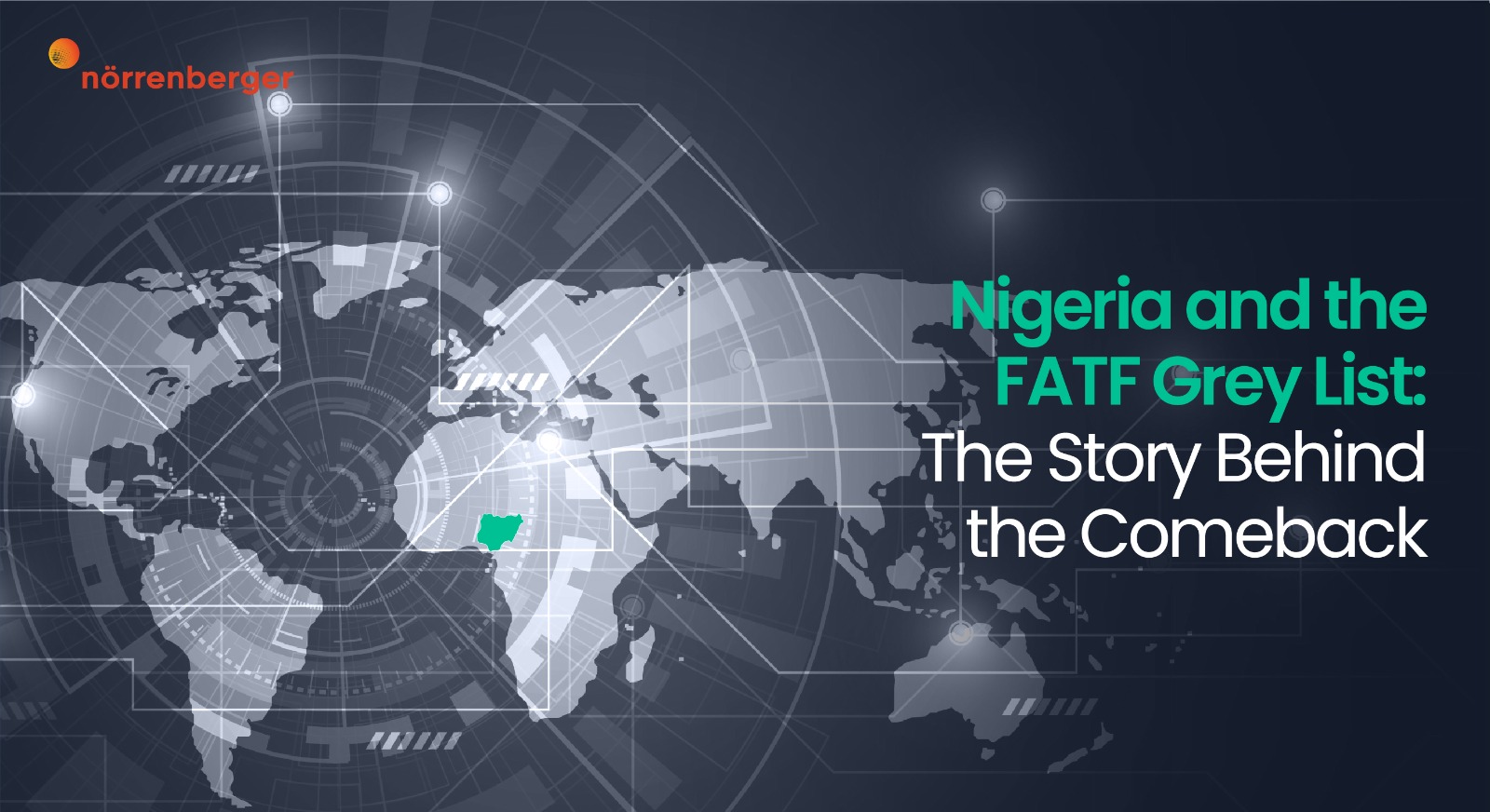
This is the reality for many Nigerians and businesses when a country is placed on the FATF grey list. Nigeria has recently come off this list, and this achievement promises smoother transactions, greater confidence, and a stronger economy for people like Ada.
What exactly is the Grey List
The Financial Action Task Force (FATF) is an international organisation that fights money laundering and terrorism financing. It keeps track of countries that are doing a good job and those that need to improve.
Countries with serious problems are put on the “black list” while countries with weaknesses that need attention are put on a “grey list.” Being on the grey list does not mean a country is in trouble, but it does mean the global financial system watches it closely.
For Nigeria, being on the grey list meant that international banks and investors looked at us with caution. Sending or receiving money across borders became more complicated, and businesses faced extra scrutiny.
Why Nigeria Was on the Grey List
Nigeria was placed on the grey list in February 2023. FATF said our laws and systems to prevent money laundering and terrorism financing were not strong enough.
The problems included:
- Weak monitoring of suspicious financial transactions
- Incomplete information about who owns companies
- Poor coordination between government agencies dealing with financial crimes
Being on the grey list was a wake-up call. It showed that Nigeria needed to act quickly to strengthen its financial rules.
How Nigeria Came Off the List
Nigeria worked hard to fix the issues highlighted by FATF. Some of the actions included:
- Passing stronger laws to fight money laundering and terrorism financing
- Improving government agencies that monitor and investigate financial crimes
- Making it easier to track who really owns companies and assets
FATF monitored Nigeria’s progress and saw that the country had met the required standards. On Friday October 24, 2025, Nigeria was officially removed from the grey list.
What This Means for Nigerians
Coming off the grey list brings many benefits for Nigeria and its people:
- Banks can work more easily with international banks. This makes sending or receiving money across countries faster and cheaper.
- Investors gain confidence. More foreign investment can come into Nigeria, helping businesses grow and creating jobs.
- Companies dealing with imports, exports, or financial services will face less friction in international trade.
- The financial system becomes stronger and more trustworthy, which helps the economy and the naira.
- Citizens benefit from a safer financial system and better protection against fraud and crime.
Nigeria’s exit from the FATF grey list is a major achievement. It shows that the country can meet international standards and strengthens trust in our financial system. For businesses, investors, and everyday Nigerians, this is a positive development. Continued effort will ensure these benefits are long-lasting, helping Nigeria build a stronger and safer financial future.