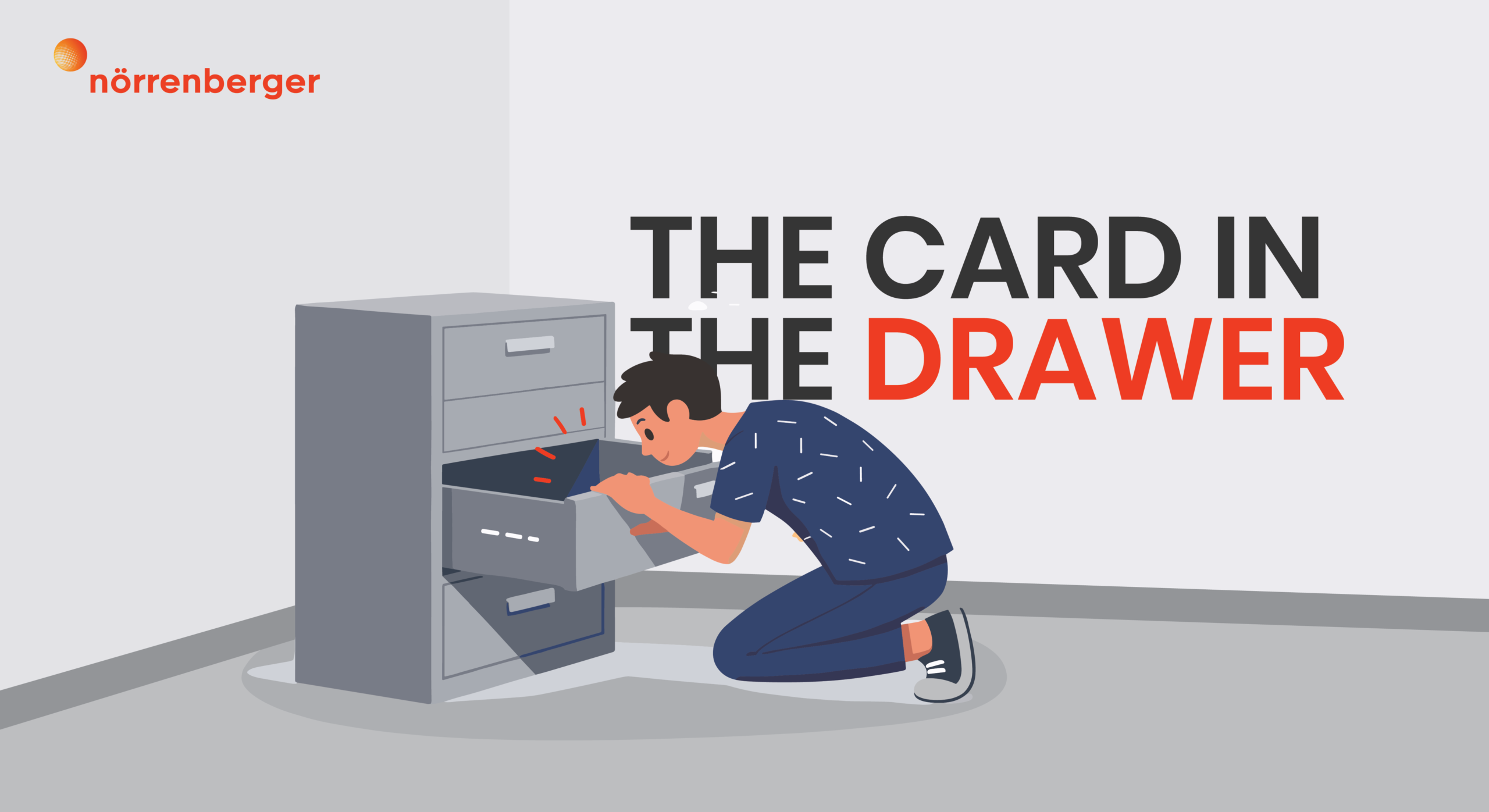
Somewhere in a Nigerian home, tucked between old receipts, expired bank cards and documents nobody has touched in months, is a Permanent Voter’s Card.
It may have been collected years ago and forgotten. It may still be waiting at an INEC collection centre. Perhaps its owner has already decided that voting makes little difference. After all, what can one person’s vote really change?
It is a question many Nigerians have asked, especially when the issues affecting everyday life seem bigger than any individual. The rising cost of food, transport fares, electricity bills, rent and school fees can make the idea of voting feel distant from the reality of getting through the month.
Yet, these are precisely the issues that make voting important.
The decisions that affect our pockets
Think about the last time you went to the market and noticed that your usual shopping list cost more than it did a few months earlier. Or when you had to adjust your transport budget because fares had increased. Perhaps you run a small business and the cost of keeping it open has become harder to manage.
These experiences are not isolated. They are connected to decisions about the economy, public spending, infrastructure, employment, taxation, education and other areas of national policy.
Those decisions are made by people elected into public office. The people who occupy these positions help shape the environment in which individuals work, businesses operate and families make financial plans.
Voting gives citizens a say in who makes those decisions and the direction they take. It is one of the ways ordinary people can participate in shaping the country they want to live in.
Does one vote really make a difference?
It is easy to feel that one vote is too small to matter. With millions of eligible voters, what difference could one person possibly make?
The truth is that elections are determined by the votes people actually cast and that are counted. Every vote becomes part of the collective decision. A person who stays away gives up the opportunity to have their preference represented in that process.
You may not be able to determine the outcome of an election on your own. You can, however, make sure your voice is part of the decision.
A look beyond Nigeria also shows how closely economic concerns are tied to voting decisions. In a report on the United States’ 2026 midterm elections, CBS News found that 89 per cent of respondents considered the cost of living a major or crucial factor. The issues people face in their daily lives often influence the choices they make at the ballot.
The same connection matters here in Nigeria. The economy is not an abstract subject. It is part of our everyday lives.
The first step is not to leave your card in the drawer
If you are eligible to vote, make sure your PVC is ready. Check your registration and collection status through INEC’s official portal, and follow the Commission’s instructions for collecting your card if you have not done so.
Keep it safe. Pay attention to official election announcements. Make plans to vote when the time comes.
More importantly, take the responsibility seriously. Understand the issues, ask questions, seek credible information and make your decision independently. Voting should be an informed choice, not one made simply because someone tells you who to support.
The country we want requires our participation
It is understandable to feel frustrated when progress seems slow or when the issues affecting us remain unresolved. That frustration should not make us withdraw from the process that gives us a chance to demand better.
Voting does not guarantee that every problem will disappear. It does not mean every elected official will meet expectations. It means we have participated in choosing who gets the responsibility of serving the public, and we have a basis for holding them accountable.
The next time you come across your PVC, do not see it as just another card. See it as an opportunity to have a say in decisions that affect your home, your work, your business and your future.
When the time comes, do not stay at home wondering whether your vote would have mattered. Come out, make your choice and cast your vote.
Your vote counts. Make it count.