
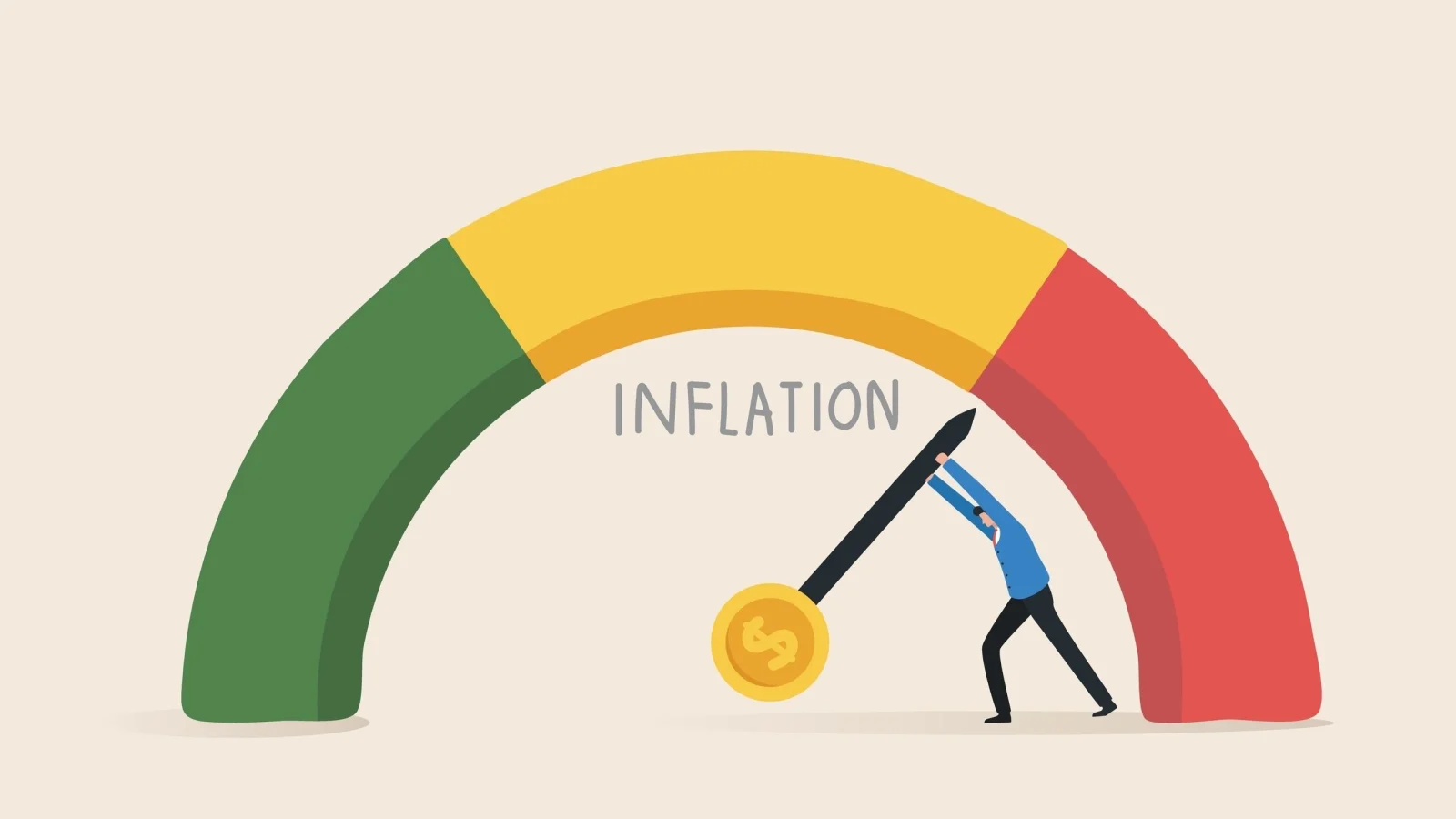
If you have looked at the latest inflation figures and wondered, “If inflation is falling, why does everything still feel so expensive?”, you are asking the right question.
The answer is simple: falling inflation does not mean falling prices.
Nigeria’s headline inflation rate eased slightly to 15.91% in June 2026, from 15.93% in May, according to the National Bureau of Statistics (NBS). On a month-on-month basis, inflation also slowed from 1.75% in May to 1.66% in June. Food inflation, however, moved in the opposite direction, rising to 17.52% from 16.96% in May. For a household spending a large part of its income on food, that difference can be felt immediately.
Lower Inflation Does Not Mean Lower Prices
Inflation measures the rate at which prices are rising. When inflation falls, prices are increasing more slowly. It does not mean that the prices of goods and services have returned to where they were before.
Think about it this way.
A basket of groceries may have cost N50,000 and later increased to N70,000. A fall in inflation does not automatically bring that basket back to N50,000. If it remains around N70,000 but starts increasing more slowly, inflation has fallen, while the cost of buying those groceries remains high.
This explains why economic headlines can look better while your weekly shopping still feels expensive.
Your Personal Inflation Rate May Be Different
Inflation is an average. The NBS calculates it using a broad basket of goods and services, while every household has its own spending pattern.
Someone who spends most of their income on food, rent, transport, school fees and healthcare may feel the impact of rising prices much more strongly than someone whose major expenses are different.
Understanding inflation is therefore not just an economic exercise. It is a financial planning issue.
The Real Problem Is Purchasing Power
Imagine you have N1 million sitting in your account. Two years from now, you may still have N1 million.
On paper, your balance has not changed. The cost of the things you buy, however, may have increased significantly. That same N1 million could therefore buy less than it did two years earlier.
Your balance stayed the same. Your purchasing power did not. That is the part of inflation that matters most when you are trying to build and preserve wealth.
Saving remains important, particularly for emergencies and short-term needs. The way you manage the money you do not need immediately also matters. Money required in the next few months should be treated differently from money you are investing for five, ten or twenty years.
Long-term wealth building may require more than simply keeping money in a bank account.
What Should You Do with Your Money?
The answer is not to chase every investment promising high returns. A better approach is to understand what each part of your money is meant to achieve.
Ask yourself: What is this money for? When will I need it? How much risk can I comfortably take? Is my money growing enough to protect its purchasing power?
These questions matter because different investments serve different purposes. As inflation and interest rates change, investors need to consider diversification, liquidity, risk and the potential for their investments to generate returns above inflation.
Norrenberger’s 2026 investment outlook similarly highlights the importance of disciplined diversification and positioning as the economic environment changes.
Falling inflation is good news for households, businesses and investors. It can create a more stable environment for planning and investment. It does not, however, mean that the financial pressures of the past few years have disappeared.
The goal is not simply to have more money in your account. The goal is to ensure that your money can continue to provide the life, opportunities and security you are working towards.
Building wealth is not just about earning more. It is about making sure what your money can do for you tomorrow is not less than what it can do for you today.