Ramadan has a way of slowing the world down.
In Nigeria, mornings feel quieter, evenings feel fuller, and the rhythm of life nudges people to reflect on what truly matters. Conversations shift toward discipline, generosity, and the choices that shape everyday life. Money naturally becomes part of that reflection. People start asking how wealth is earned, how it is managed, and what impact it leaves behind.
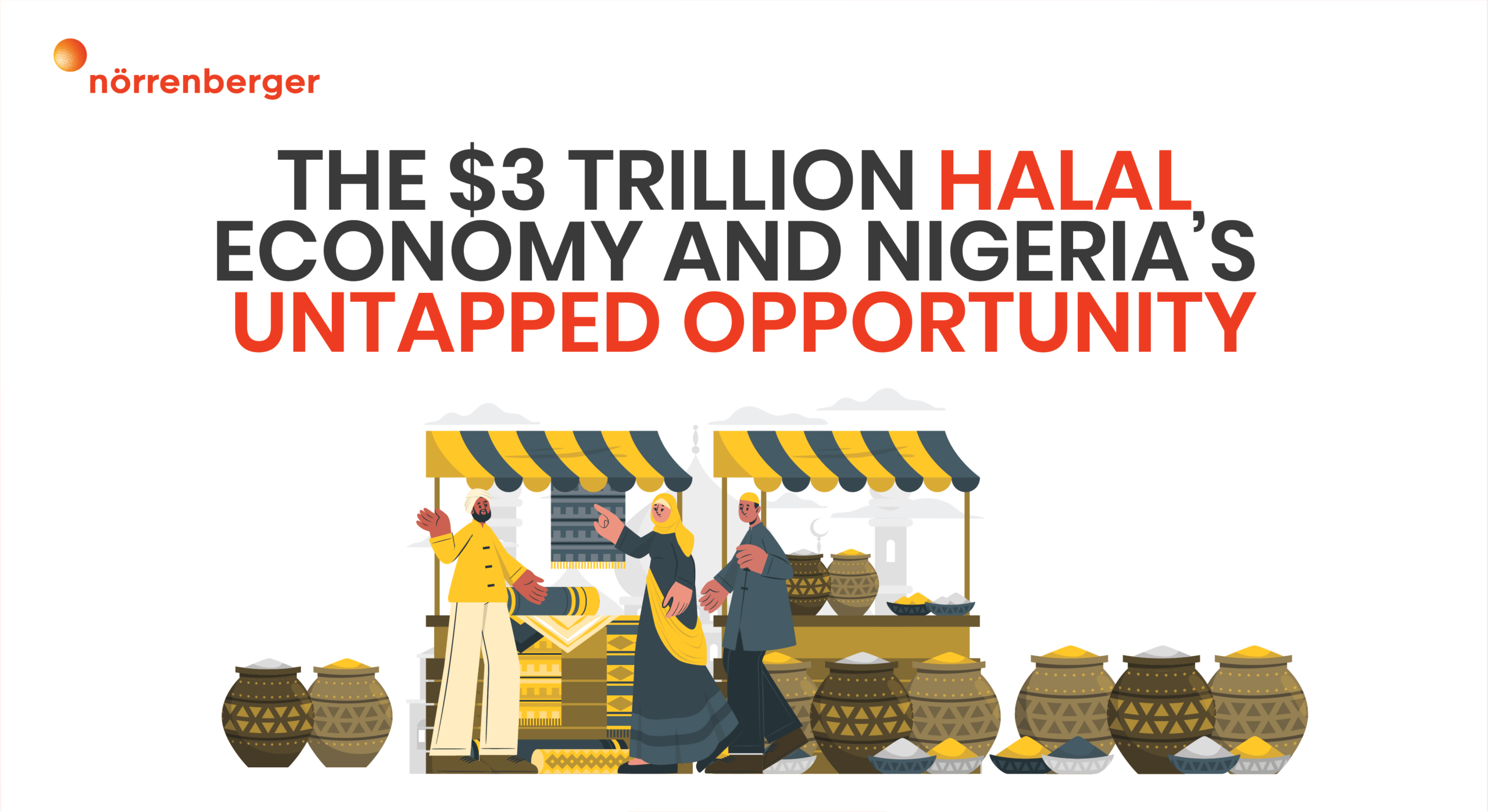
Those questions lead to a bigger conversation: the global halal economy. This market has grown to over $3 trillion, yet Nigeria, with its vibrant entrepreneurial spirit and one of Africa’s largest Muslim populations, has barely tapped into it.
Halal Is More Than Food
Most people associate halal with food. Halal meat, restaurants, and certification labels are the first images that come to mind. Food is important, but the concept extends far beyond the plate. Halal simply means “permissible,” and in economic terms, it refers to products and services aligned with ethical principles rooted in Islamic law. These principles encourage fairness, transparency, and responsibility, discouraging harmful or exploitative practices.
Finance is a clear example. In simple terms, Islamic finance avoids interest-based transactions and excludes industries like gambling and alcohol. Investments focus on businesses creating real value, not speculative gains. Wealth grows through productive participation in the economy rather than taking shortcuts.
Muslims benefit by aligning financial choices with faith. On the other hand, non-Muslims see an ethical and sustainable model that fits modern investing trends.
A Trillion-Dollar Opportunity
The halal economy touches many industries – food, fashion, travel, cosmetics, pharmaceuticals, and finance. Islamic finance alone manages trillions of dollars in assets globally. Countries such as Malaysia and the UAE have built sophisticated ecosystems around halal-compliant investments, proving that ethical finance can thrive and compete.
Investors around the world are paying attention. Demand for ethical, responsible, and transparent investments has been rising steadily. People increasingly care about where their money goes, the businesses it supports, and the long-term impact it creates. Islamic finance has been operating on those same principles for decades.
Nigeria’s Untapped Potential
Nigeria has a natural advantage in this global story. Entrepreneurs are active across sectors that fit halal markets, from agriculture and food processing to fashion and trade. Yet participation in the halal economy remains limited.
Awareness is a key barrier. Many assume halal investing is complex or only for specialists. The reality is much simpler. Halal investment structures function like conventional ones but screen companies to ensure ethical and Sharia-compliant practices. Businesses relying heavily on interest or operating in restricted sectors are excluded. Money flows into companies that produce tangible value, supporting jobs, innovation, and community growth.
This approach gives investors’ confidence. Their wealth grows while remaining aligned with values. It is growth with purpose.
Ramadan as a Moment to Begin
Ramadan is a reminder that financial choices carry meaning. Wealth is more than accumulation, it is stewardship. Reflection during this month can inspire intentional action. Questions about legacy, fairness, and long-term impact naturally surface.
Halal investing fits perfectly into this mindset. It allows people to grow wealth ethically, contributing to economic activity that benefits communities. For many investors, the simplest entry point is a professionally managed Islamic fund. These funds select companies that meet ethical and Sharia-compliant guidelines while aiming for sustainable returns. Investors can participate without needing to scrutinize each company themselves, making ethical investing accessible and manageable.
Investing with Purpose
Nigeria is just beginning to explore this space, but that early stage presents opportunity. Awareness will drive demand, and early investors can position themselves ahead of broader adoption. Halal investing connects financial growth with personal values, allowing wealth to serve both individual and societal purposes.
At Norrenberger, our Islamic Fund was designed to provide access to halal-compliant opportunities that prioritize ethical investment while seeking sustainable growth. Ramadan reminds us that reflection often leads to action. Wealth can grow, and it can stand for something greater at the same time.
The global halal economy has proven that ethical finance can scale, compete, and thrive. Nigeria has only begun its journey. For those looking to invest responsibly, ethically, and in alignment with their values, this is the moment to start.