
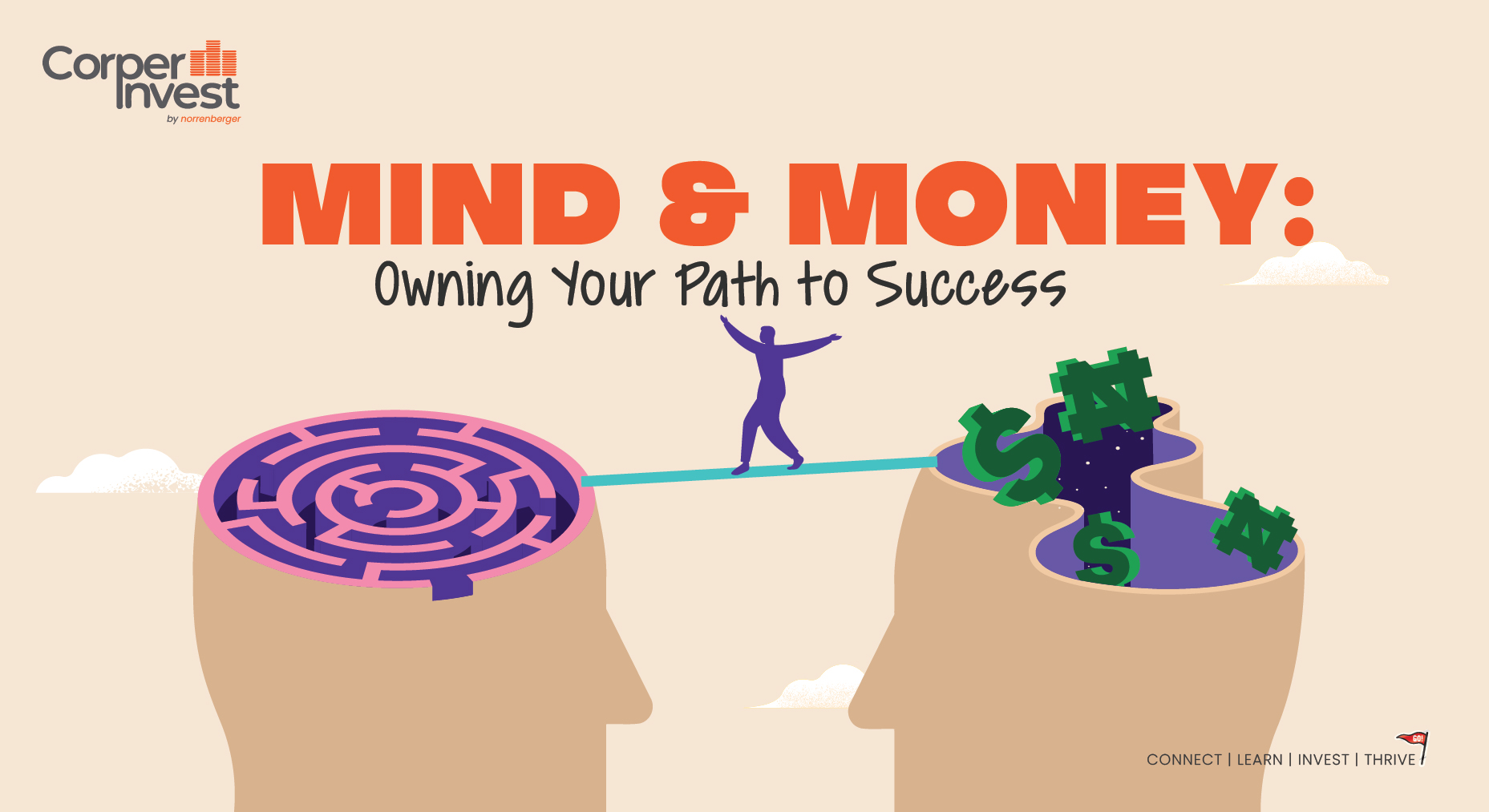
Financial stress is one of the top contributors to mental health challenges. Studies show that 60% of employees report feeling stressed about finances, impacting their focus, productivity, and overall well-being (source: general workplace mental health data).
Now, let’s relate this data to the young population. It is very normal for young adults to fall into a mental health crisis because navigating the complexities of independence coupled with the economic reality can be a bit overwhelming. At times, it feels like life is all about money and the journey to actualization of set goals may prove treacherous. These and more affect the mental health of most young individuals.
Every October 10, the world pauses to talk about something that doesn’t show up in your bank app; your mental health, but here’s the truth: the link between your mind and your money is tighter than most people think.
When your mental health takes a dip, your finances often follow and when your finances feel shaky, your peace of mind can crash too.
Let’s talk about how to find balance between both.
- Mental health is your first asset
Before the hustle, before the savings plan, before the “I must blow” mindset, there’s you. Your mind powers every idea, every move, every decision. When it’s not in shape, your productivity, creativity, and confidence take a hit, so treat your mental health like your first investment.
Sleep like it’s a savings plan. Eat like you’re fueling a startup. Rest like your dreams depend on it, because THEY DO!
- Budget beyond money
Budgeting isn’t just for cash, it’s for your energy too. Set boundaries the same way you set spending limits. If you’re constantly overdrawn emotionally, even your finances will start to feel the pressure.
Give time to things that refill your energy: journaling, a walk, prayer, quiet moments, whatever keeps you grounded.
- Talk it out; it pays off
You wouldn’t hide a money problem from your bank, right? So, don’t hide emotional struggles from your circle or from professionals.
Opening up to someone, be it a friend, mentor, counselor, or fellow corps member isn’t weakness. It’s wealth management for your mind because unspoken pressure builds up like unpaid debt. And that debt compounds faster than interest.
- Balance ambition with self-care
We get it, everyone wants to “secure the bag” but it’s not worth losing your peace over. There’s a reason they call it well-being not well-doing. You don’t have to be online 24/7, chasing every trend or side hustle. Pace yourself. Your journey doesn’t have to look like anyone else’s. Consistency beats burnout every time.
- Invest in things that make you happy
Not every investment needs to yield financial ROI. Some pay in joy, calm, and clarity; and those are priceless. Take that trip, buy that book, go off grid for a weekend. You’ll come back richer in ways that matter.
This World Mental Health Day, remember: Your mind and your money are both forms of wealth but only one fuels the other. So, while you invest in your future, don’t forget to invest in yourself – because financial freedom means nothing without peace of mind.